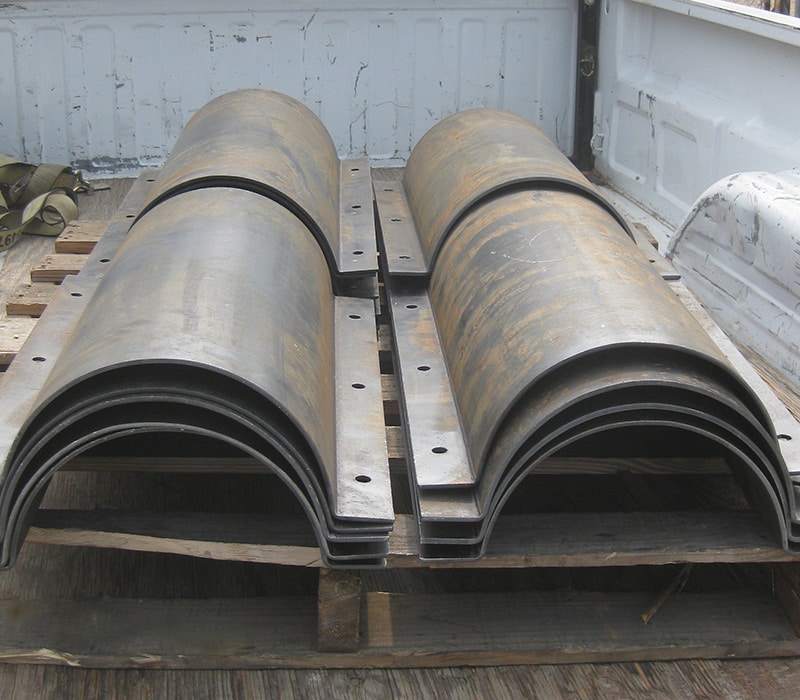
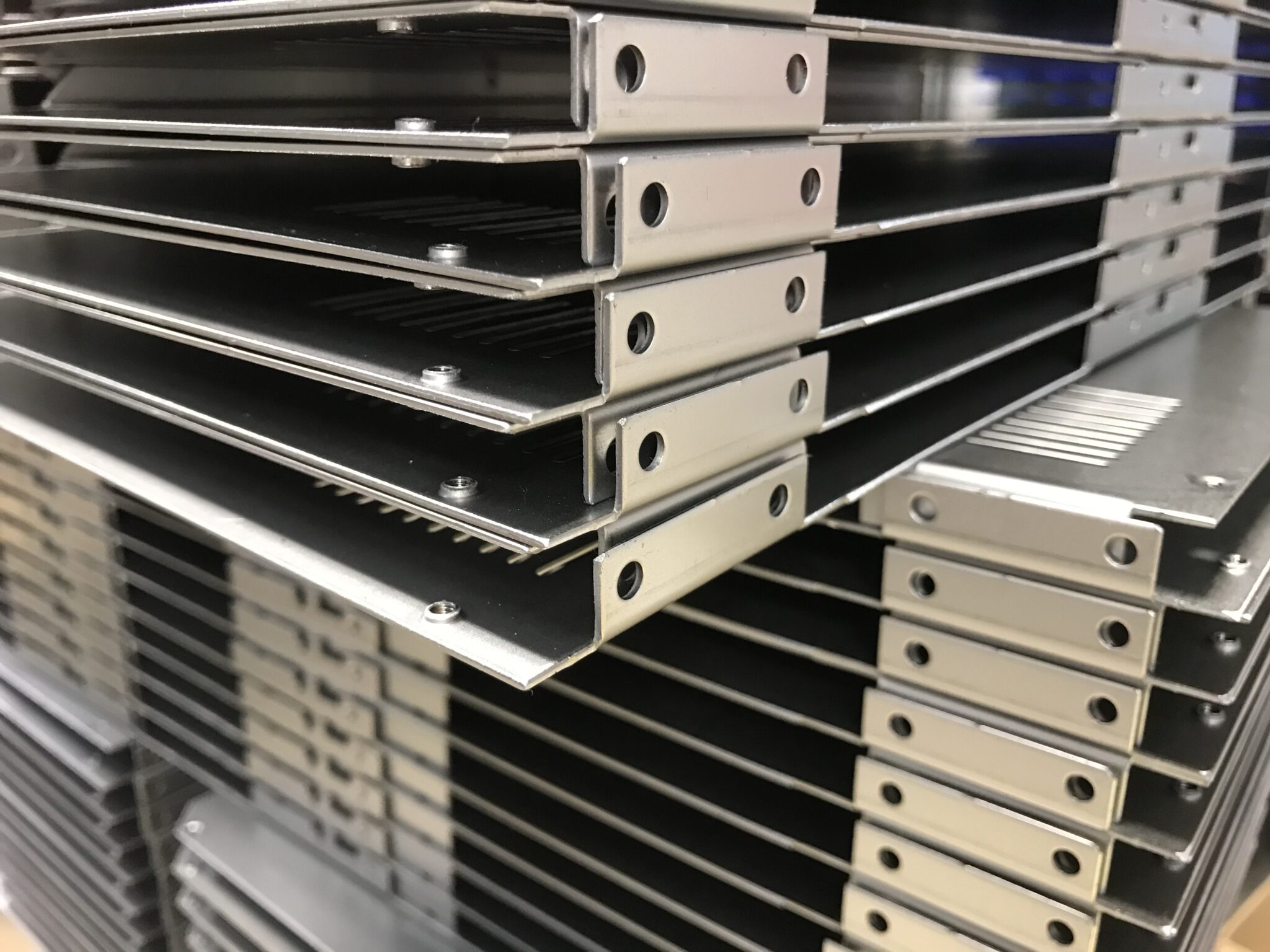
Novelty Structures is an experienced fabricator of Sheet Metal Bending Services for Carbon Steel, Galvanized Steel, Stainless Steel and Aluminium.
Metal bending is one of the most common metal fabrication operation. The sheet metal bending process involves applying a force to a sheet metal part to change its geometry. This force causes stress on the sheet metal beyond its yield strength and permanent physically deform without breaking or failing.
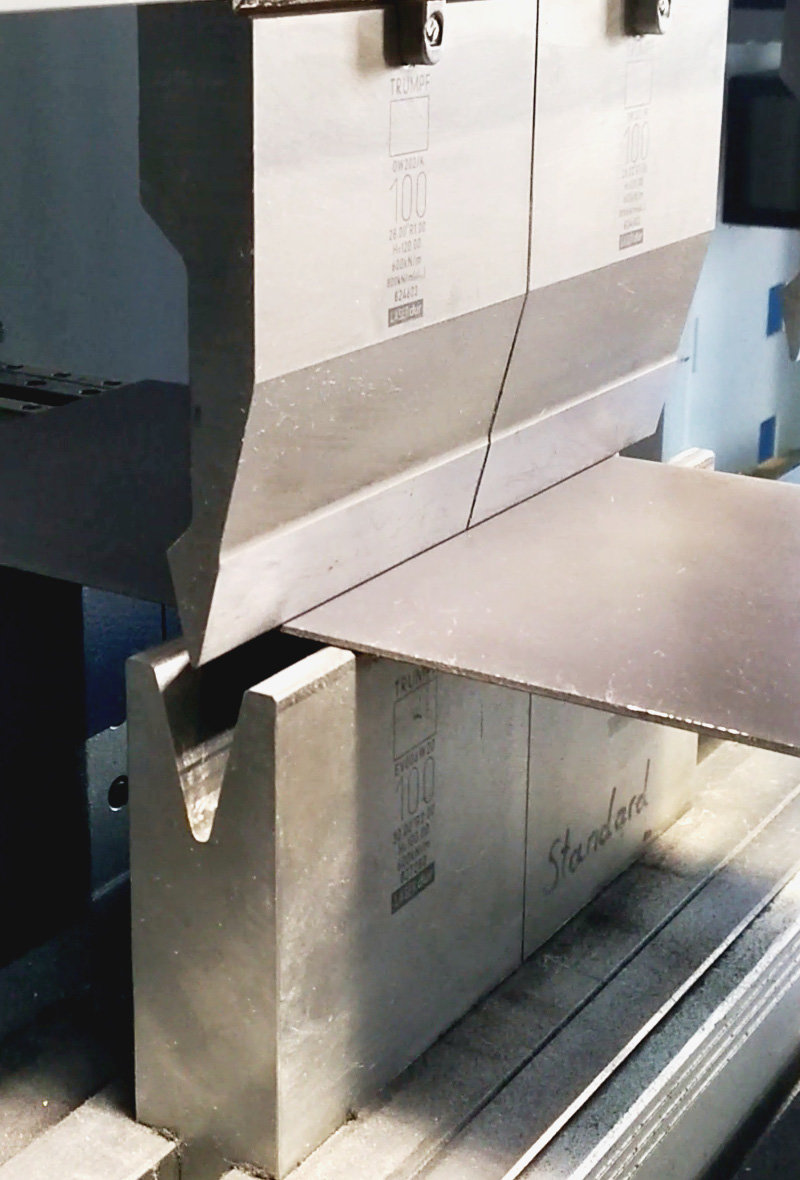
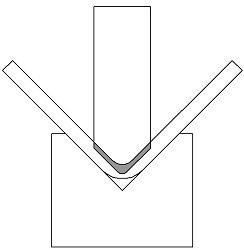
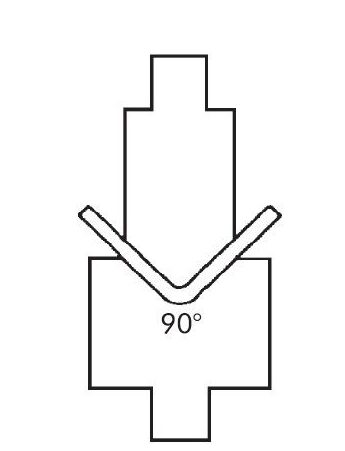
The press brake is a commonly used equipment for sheet metal fabrications. It works by lowering a mould onto a sheet metal work piece positioned on a die, creating the desired form.
The formed bend is dependent upon the tools used, the material yield strength and the material thickness. Setting up a bending operation accurately requires knowledge in the tooling, material, forces and the sequence of the different steps so it requires a skilled operator.
Metal Bending Types

Evolution of Press Brakes
A press brake is a machine that bends sheet metal into predetermined forms.
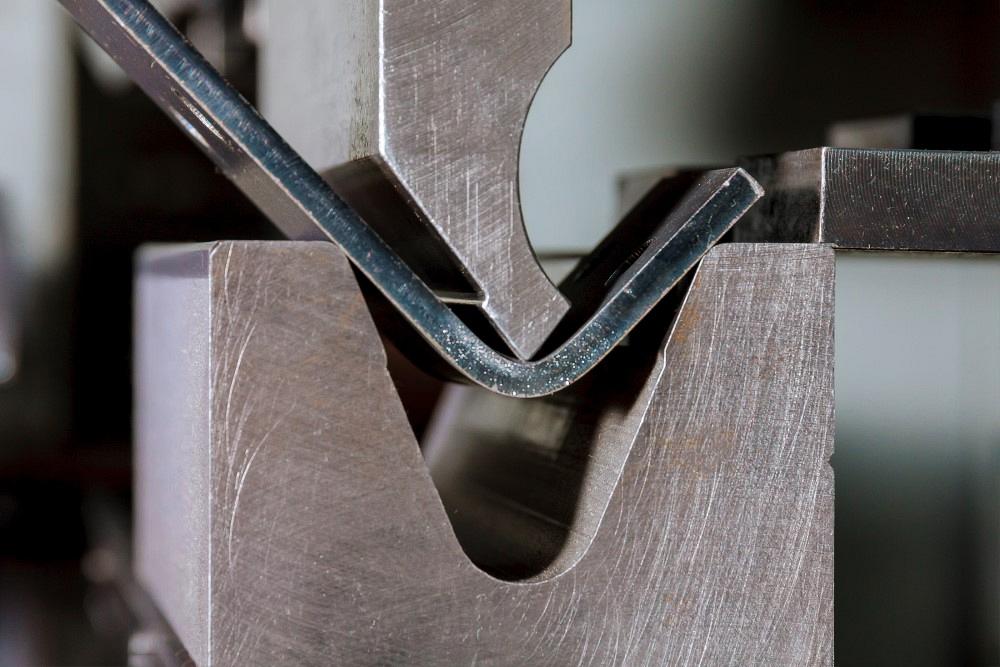
Guide to Accurate Sheet Bending

Common Defects
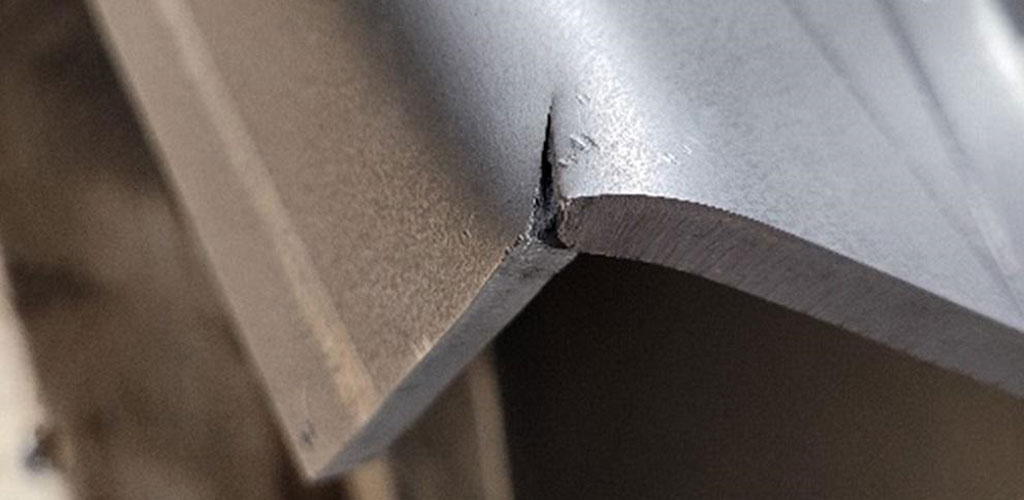
Bending Different Metals
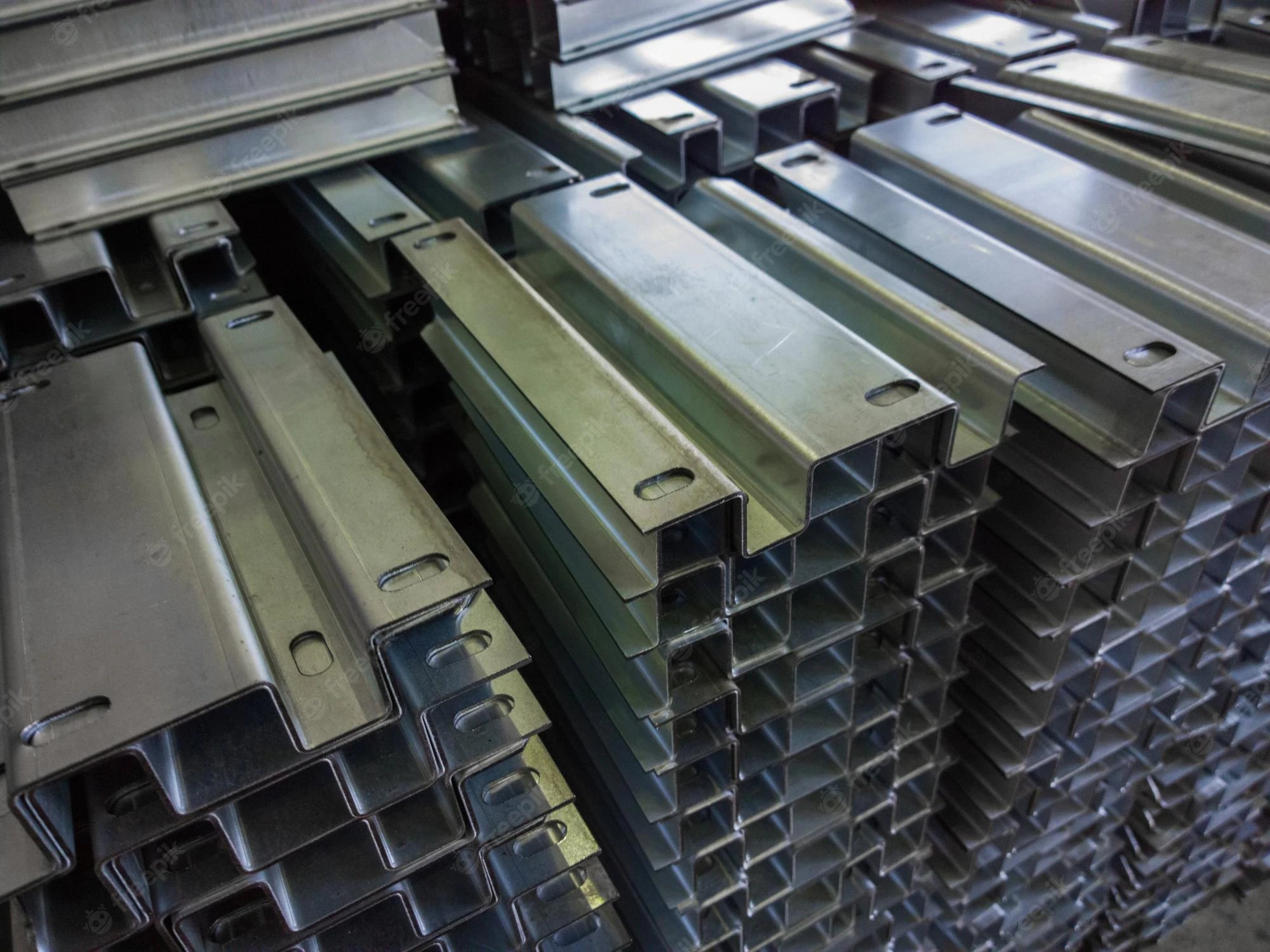
Challanges in Metal Bending
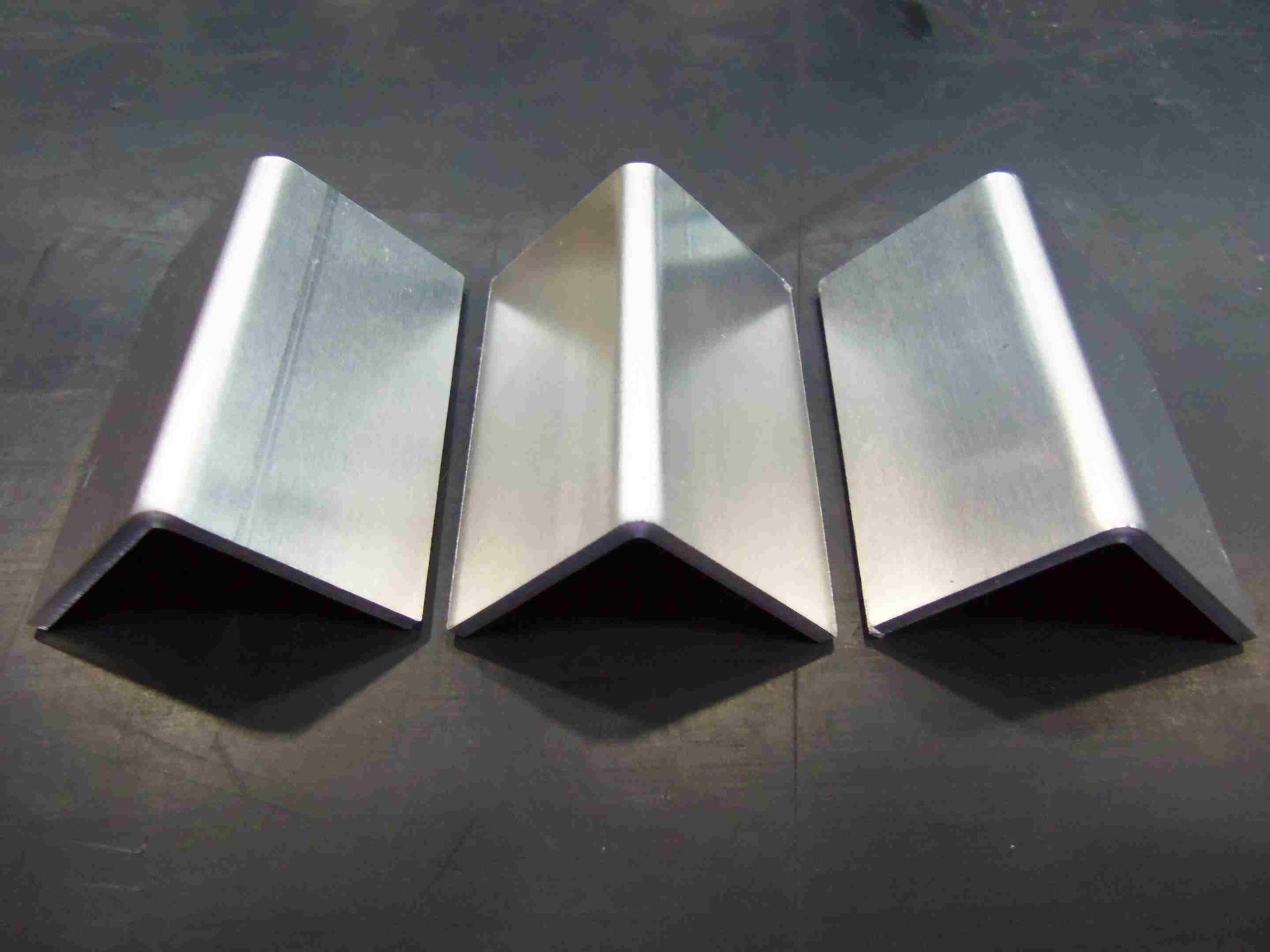
Metal Bending Case Studies
Case Study 1 — Increasing Mechanical Strength Without Increasing Thickness
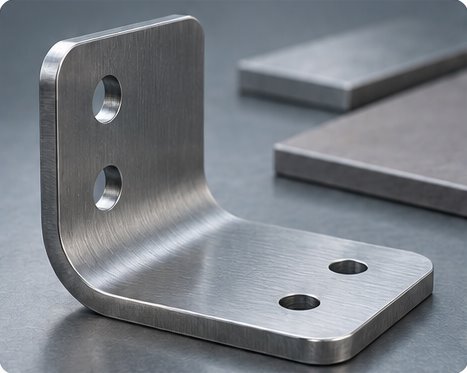
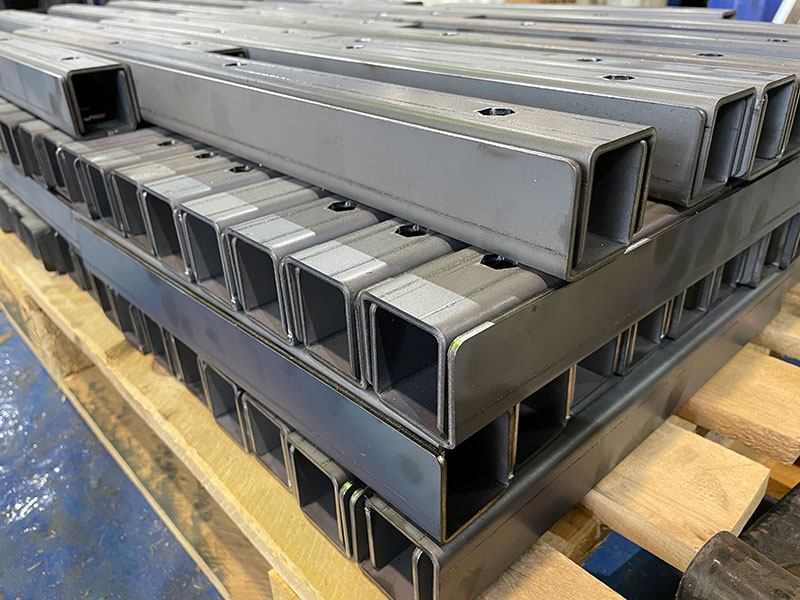
Cold-formed steel component
A client required a custom bent component manufactured from 6 mm S235JR steel. The existing design and bending tolerances were suitable for the application, but the client needed to increase the mechanical strength of the component without increasing the material thickness or changing the finished geometry.
The initial proposal was to replace 6 mm S235JR with 6 mm S355JR, providing a higher-strength material while maintaining the same thickness. However, simply selecting a higher-strength steel does not necessarily mean that it will perform in the same way during bending.
Engineering Consideration
Higher-strength steels can require significantly greater bending forces and may be more susceptible to cracking depending on their chemical composition, bend radius, material direction, and forming conditions.
Our engineering team reviewed the application and identified a potential risk of cracking during the bending operation if S355JR was used. Rather than changing the component thickness or compromising the existing bending tolerances, we investigated an alternative material that could provide the required mechanical properties while remaining suitable for the required forming operation.
Solution — S355MC Steel
We recommended testing 6 mm S355MC steel as an alternative. S355MC is a thermomechanically rolled high-strength steel designed for cold forming applications. Its chemical and mechanical properties make it particularly suitable for components requiring both increased strength and controlled forming.
We manufactured test components using S355MC and evaluated the material through the required bending operations. Following successful testing, S355MC was adopted for the application.
Result
The client was able to achieve the following.
Case Study 2 — Replacing Welds With Bends
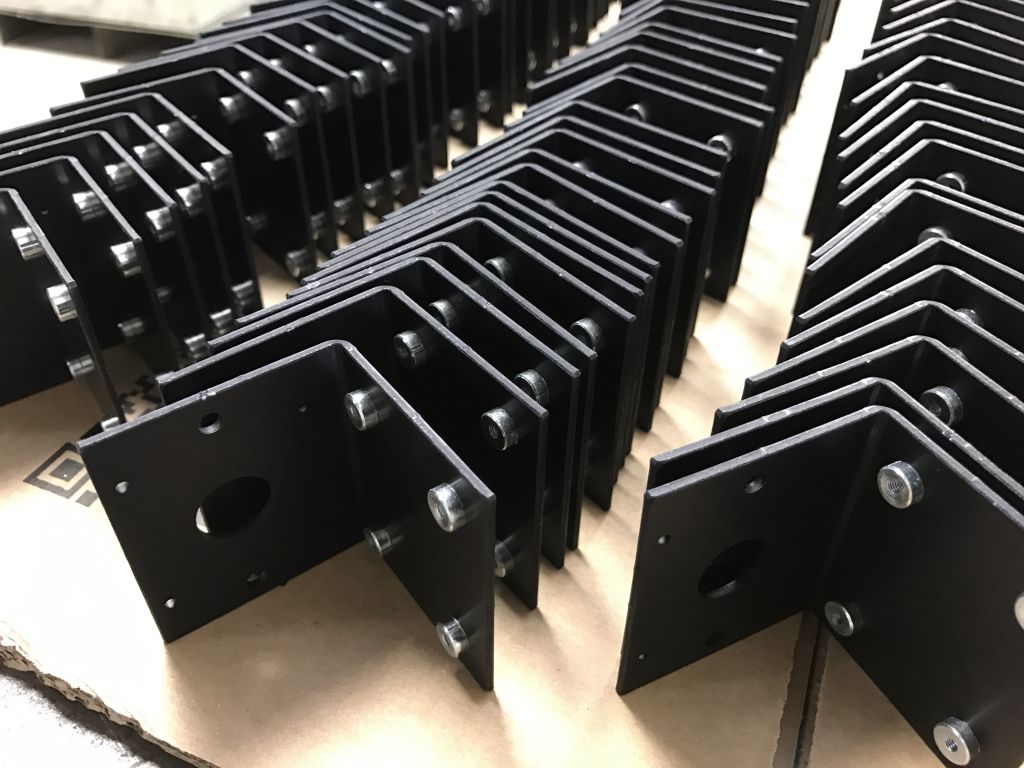
A client approached us with drawings for a custom metal bracket containing a number of individual sheet-metal sections joined by welded joints. The design was technically manufacturable, but the number of welded connections increased production time, handling, and the number of operations required to produce each component.
Rather than simply manufacturing the part exactly as drawn, we reviewed the design with the client to determine whether the component could be manufactured more efficiently.
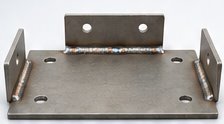
Welded mounting plate
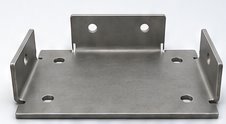
Bent mounting plate
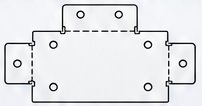
Single laser-cut blank
Engineering Review
Our engineers assessed the geometry of the bracket and identified several locations where separate pieces of sheet metal could be incorporated into a single blank. By introducing additional bends, some of the welded joints could be eliminated altogether.
Solution — Design for Manufacturing (DFM)
Working with the client, we simplified the component and replaced a number of welded connections with additional bending operations. The revised manufacturing route required four additional bending operations, but this significantly reduced the amount of welding required.
Result
The design modification achieved the following.
Case Study 3 — Managing Spring back
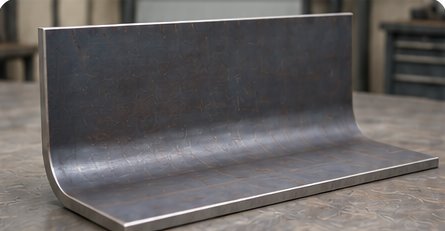
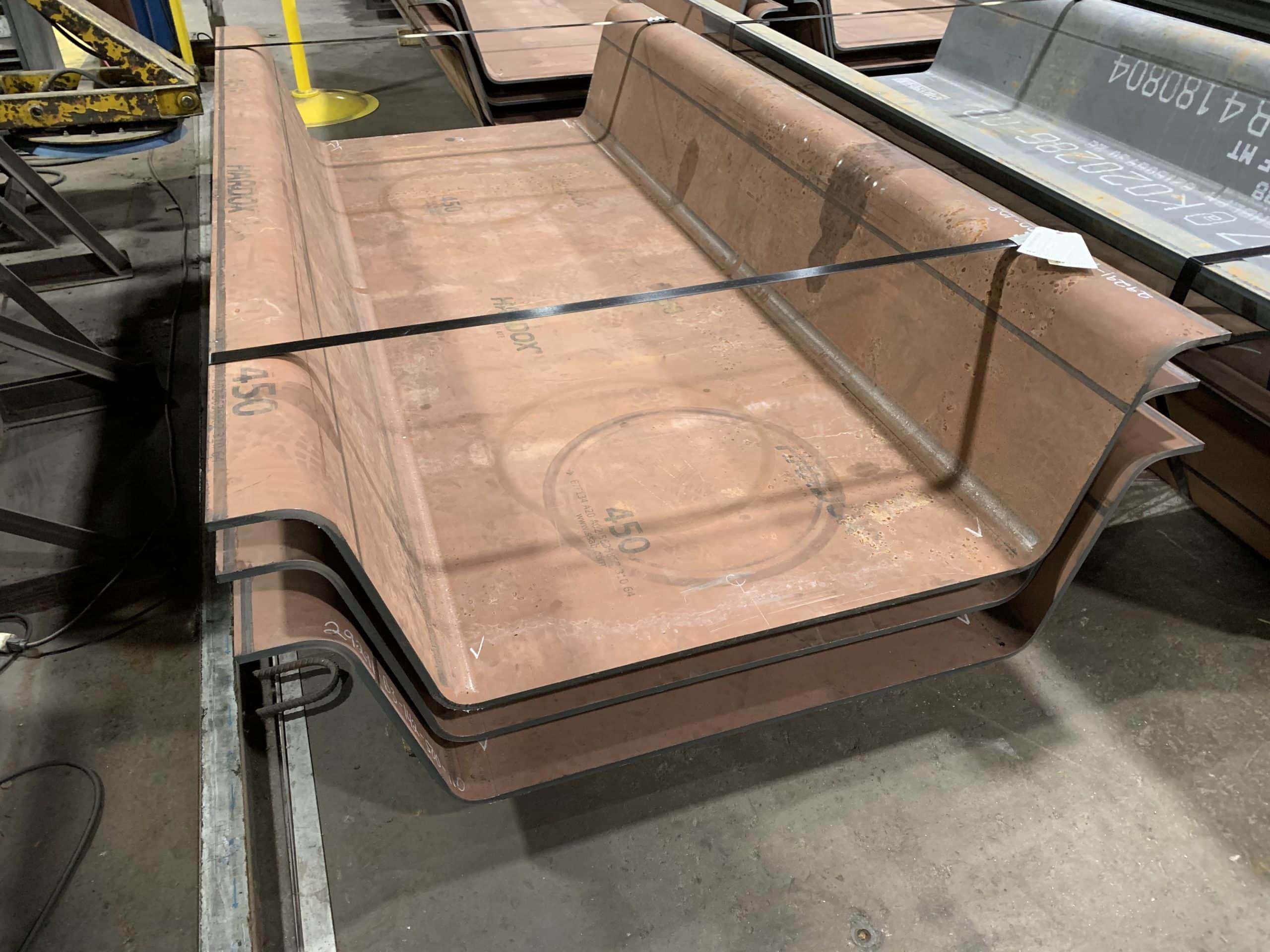
Wear-plate spring back
A client in the quarrying and mining sector approached us to manufacture replacement side-liner plates for an industrial aggregate chute. To combat severe abrasive wear, the client requested that the components be formed from 8 mm Hardox 450 wear plate.
While the flat blanks cut without issue, the client’s internal production runs yielded inconsistent bend angles, with completed parts repeatedly opening up beyond acceptable geometric tolerances once released from the press brake.
Engineering Consideration
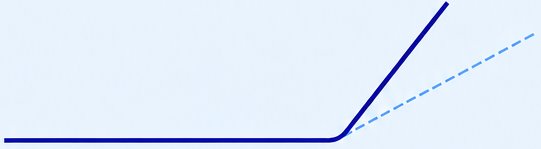
Bending high-strength and wear-resistant steel is fundamentally different from forming conventional mild steel. Because materials like Hardox possess significantly higher yield strength, they undergo considerable spring back, the elastic recovery of the material after the forming force is removed.
For high-strength steels, achieving precise final geometry requires evaluating the process as a complete, integrated system.
Simply transferring standard mild-steel programming, tooling, and die openings to high-strength alloys inevitably leads to out-of-tolerance parts and elevated stress on tooling.
Solution — Dedicated High-Strength Forming Protocol
Our engineering team calculated the specific spring back characteristics of the 8 mm Hardox 450 lot and redesigned the forming parameters.
Prior to the production run, we conducted test bends on sample offcuts from the exact material heat batch to verify the spring back values and calibrate the final stroke depth.
Spring back After Unloading
Conceptual side profile
Solid line — Formed shape under load (in the press)
Dashed line — Final shape after unloading (with elastic recovery)
Result
By treating the high-strength wear plate as a specialised forming application, we achieved the following.
Case Study 4 — Avoiding Distortion During Forming
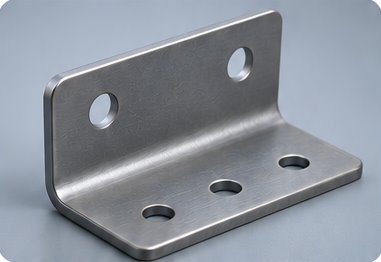
Mounting-hole deformation
An industrial machinery manufacturer supplied engineering drawings for a series of heavy-duty motor mounting brackets. The design specified a row of 10 mm precision mounting holes intended to secure a hydraulic pump housing to the machine frame.
The client’s initial prototype batch, produced by laser cutting all features on the flat sheet before forming, resulted in severe assembly failures on the shop floor. During the bending operation, the material stretched near the bend line, pulling the adjacent holes out of round and causing bolt misalignment during machine assembly.
Engineering Consideration
During sheet-metal bending, material within the bend zone undergoes localised plastic deformation, stretching along the outer radius and compressing along the inner radius.
If a hole, slot, or cut-out is located too close to the bend line (within the material’s deformation zone), the forming process pulls the edge of the feature toward the bend. This leads to the following.
The minimal acceptable clearance depends directly on material thickness, material grade, inside bend radius, and die opening width.
Solution — DFM Review and Process Optimisation
Our engineering team performed a Design for Manufacturing (DFM) review to evaluate the relationship between the hole location, material thickness (5 mm), and bend radius.
We presented the client with a two-part solution.
Result
The design and process adjustments yielded the following.
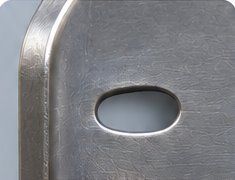
Hole near bend (distorted or oval)
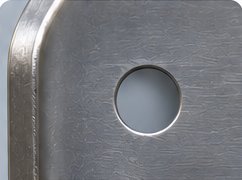
Hole away from bend (remains circular)
How can we help you ?
Sheet Metal Bending is a major Metal Fabrication method and its success depends on the careful selection of contractors.
Novelty Structures stands out as a reliable partner in providing High-Quality Metal Bending Services tailored to demanding industrial needs.
FAQ


Novelty Structures offers Contract Manufacturing and Fabrication Services through our facilities in Turkey. [...]

Novelty Steel provides a comprehensive set of steel bending services for various industries and [...]

Sheet Metal Fabrication Services for Carbon, Galvanised, Stainless Steel and Aluminium [...]

Experienced Stainless Steel Fabricator for Contract Fabrication Contents [...]
Gallery