Welding industrial tanks

Types of Tanks

Storage Tanks

Used to store liquids, gases, or bulk solids for long periods.

  • Water Storage Tanks:Store potable water, industrial water, or fire suppression reserves

  • Oil Storage Tanks: Store crude oil, refined petroleum products, and lubricants.

  • Chemical Storage Tanks: Store hazardous or non-hazardous chemicals.

  • Gas Storage Tanks: High-pressure vessels for gases like propane, ammonia, or CO₂.

  • Food and Beverage Storage Tanks: Store edible liquids like milk, wine, or oils in hygienic conditions.

Process Tanks

Used in various manufacturing or chemical processing operations.

  • Mixing and Blending Tanks: Designed for combining liquids, powders, or other substances

  • Fermentation Tanks: Specifically used in brewing, winemaking, or bioengineering to facilitate fermentation processes.
  • Settling Tanks: Allow separation of solids from liquids (e.g., in wastewater treatment).

  • Reactors: Pressure-rated high strength tanks designed for chemical reactions.
  • Heating or Cooling Tanks: Equipped with jackets or internal coils to regulate temperature for heating or cooling processes.

Materials of Tanks

Carbon Steel Tanks

  • Carbon steel is an alloy that can be easily fabricated (bent, rolled, and welded) into desired forms

  • It is the most economic and popular material for majority of the storage tank applications

  • They can be coated with different types of epoxy, polyurethane or rubber in order to prevent corrosion

Stainless Steel Tanks

  • It’s an alloy of steel with chromium content that is a better resistant to rusting and corrosion
  • It offers great protection in storing corrosive chemicals, liquids and substances
  • Its significantly higher cost compared to carbon steel and aluminium is the major drawback

Aluminium Tanks

  • Aluminium tanks offer a lightweight, corrosion-resistant, and durable solution
  • Aluminum naturally forms a protective oxide layer, making it resistant to corrosion in harsh environments.

  • Aluminum combines low weight with good strength, ensuring durability and performance

Comparison of Tank Materials

Carbon Steel Stainless Steel Aluminium
Strength & Durability High strength but prone to corrosion without coatings. Excellent corrosion resistance, high durability, ideal for harsh environments. Lightweight and corrosion-resistant, but less strong under high pressure.
Corrosion Resistance Prone to rust; requires coatings. Excellent corrosion resistance. Naturally corrosion-resistant, ideal for marine environments.
Weight Heavier than stainless steel and aluminium. Moderate weight, balances strength and weight. Lightest option, ideal for transport and weight-sensitive applications.
Applications Used in water treatment, oil storage, and industrial tanks. Used in food, beverage, chemical, and pharmaceutical storage. Used in aerospace, automotive, marine, and fuel tanks.
Maintenance


Requires regular maintenance to prevent rust and corrosion (e.g., coatings). Low maintenance, resistant to staining and corrosion. Low maintenance, highly resistant to corrosion, but may require cleaning in some environments.
Cost Most cost-effective, budget-friendly. More expensive due to high corrosion resistance and durability. Generally more expensive than carbon steel, but cheaper than stainless steel for certain applications.

Challenges in Tank Manufacturing

Material Selection
  • Corrosion Resistance: Selecting the right type of steel (e.g., carbon steel, stainless steel, or special alloys) to meet specific environmental and operational conditions can be challenging.

  • Cost Considerations: Balancing material performance and budget constraints can complicate decision-making, especially when stainless steel or specialized alloys are required.

  • Custom Requirements: Meeting specific client needs, such as unusual shapes, pressure ratings, or temperature tolerances, requires advanced engineering and design expertise.

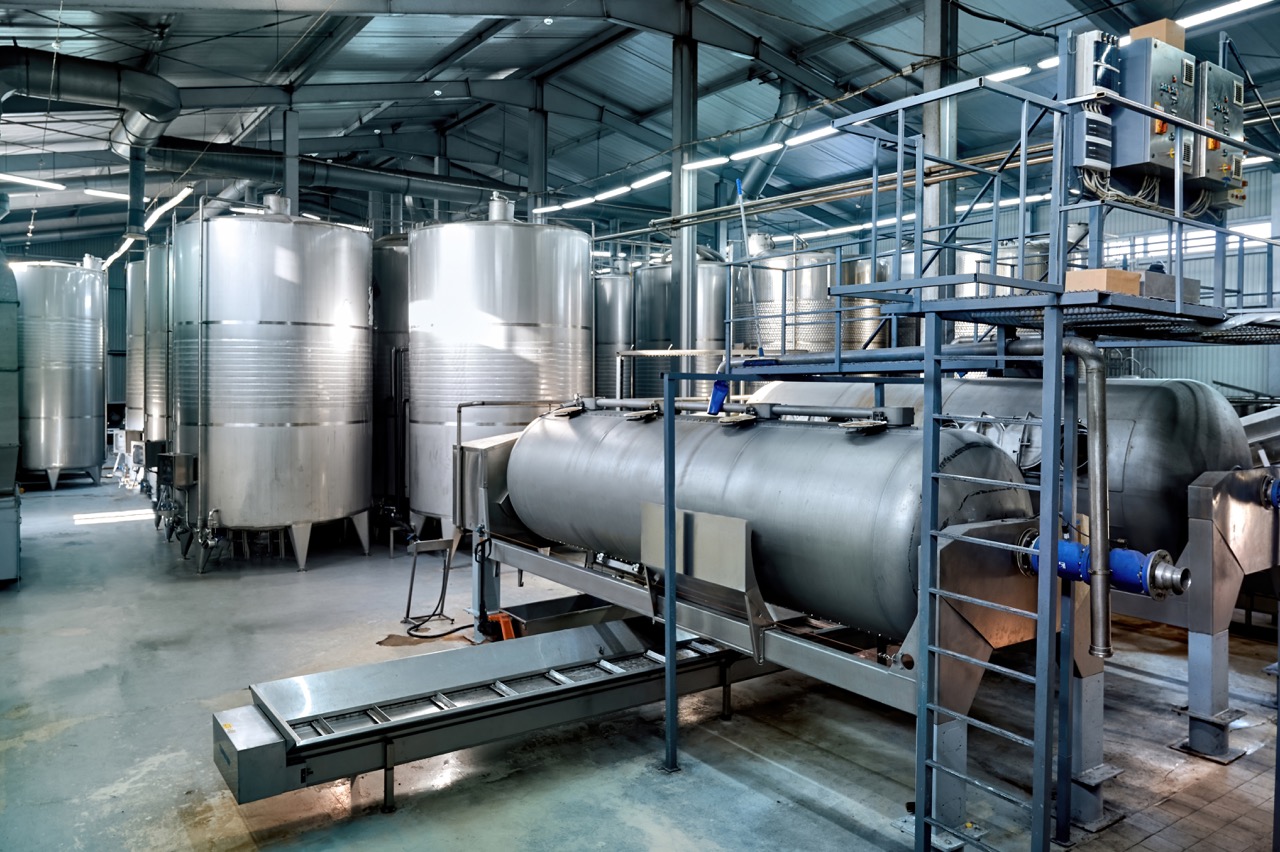
Stainless Steel Pressure Vessels and Tanks
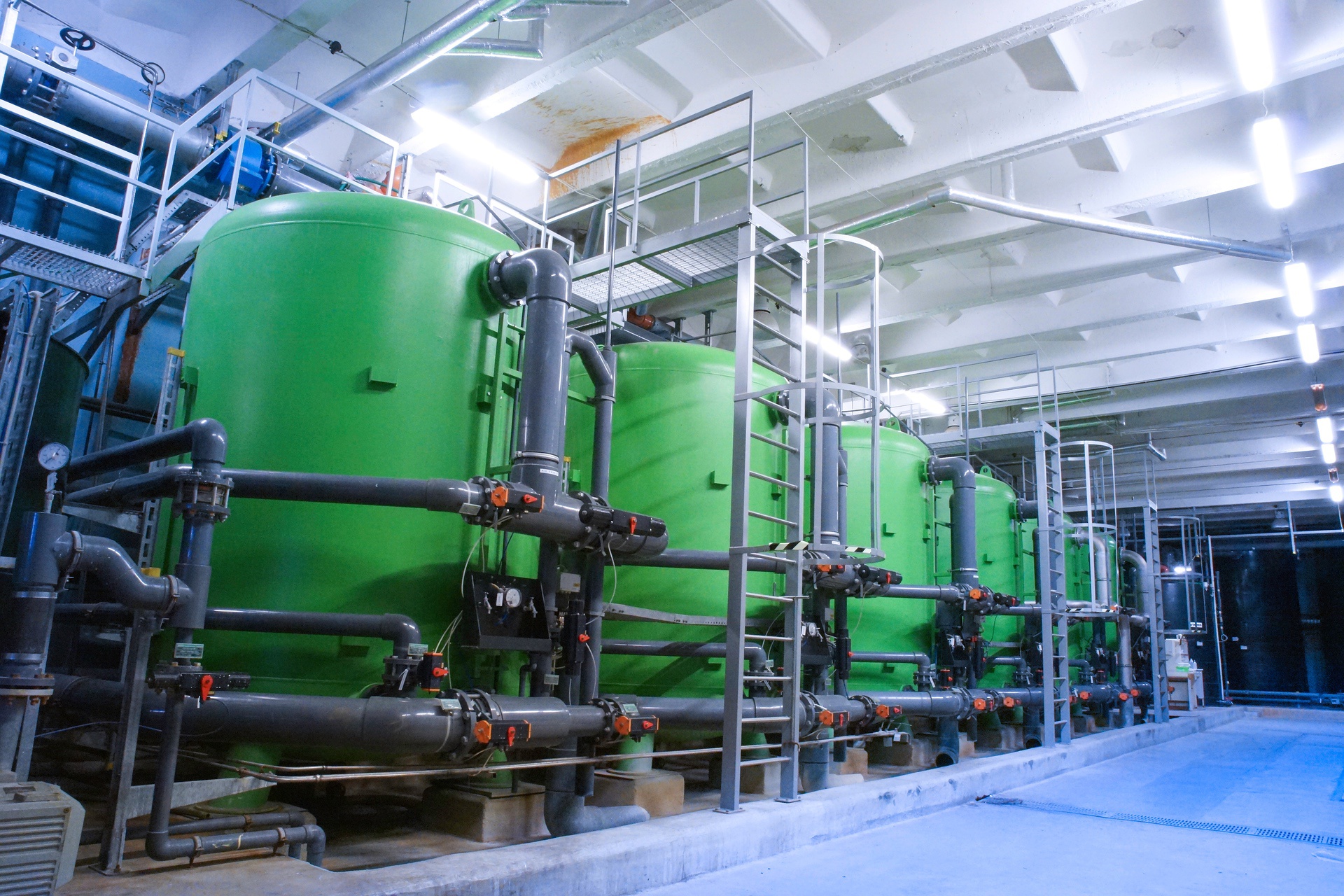
Industrial Water Tanks
Manufacturing Precision
  • Cutting and Forming Accuracy: Achieving precise cuts and forming curved sections without warping the steel can be challenging, especially for thick plates or large tanks.

  • Dimensional Consistency: Maintaining consistency in large or complex tank designs is difficult, as minor deviations can lead to assembly issues or functional failures.

  • Surface Preparation: Preparing steel surfaces for coatings or linings (e.g., sandblasting) is labor-intensive and requires strict quality controls to ensure adherence and long-term protection.

Quality Assurance and Testing
  • Welding Quality: Welding must be flawless to ensure structural integrity and leak prevention, requiring skilled labor and rigorous inspections.

  • Leak Testing: Hydrostatic or vacuum testing requires careful execution to detect potential leaks without damaging the tank.

  • Pressure and Load Testing: Tanks should withstand specified pressures and loads during operation is challenging due to the need for accurate simulation of real-world conditions

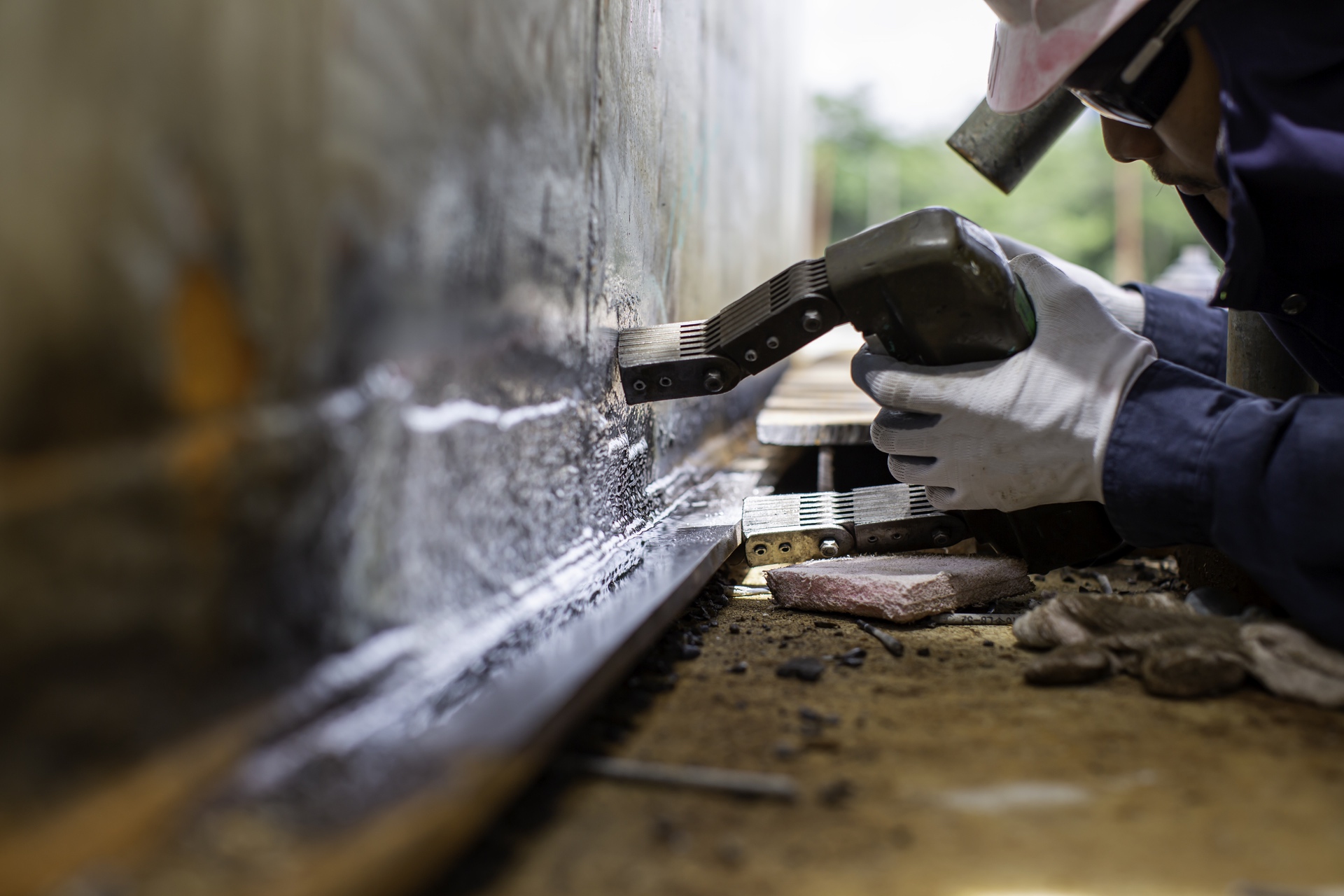
Welding Test

Industrial Tank Applications

Industry Application Examples
Agriculture Storing irrigation water and liquid fertilizers Water tanks for drought periods, fertilizer tanks for nutrient management
Chemical Industry Mixing, heating, and cooling chemical solutions Reactor tanks, mixing tanks for paints
Food & Beverage Storing edible oils, beverages, milk, and other consumables Hygienic stainless steel tanks for dairy, juice silos
Food Processing Pasteurization, fermentation, and blending Fermentation tanks for beer, pasteurization tanks
Hazardous Waste Containing and treating industrial waste Chemical waste storage tanks, containment tanks
Industrial Processes Thermal storage for heating or cooling Hot water tanks, chilled water tanks
Livestock Waste containment and biogas storage of livestock Manure tanks, biogas digesters
Industry Application Examples
Mineral Processing Chemical leaching and slurry handling Cyanide leaching tanks, slurry storage tanks
Mining Leaching and flotation processes Leach tanks, flotation tanks
Power Generation Storing fuels for turbines or backup systems Diesel storage tanks, fuel oil tanks
Pulp & Paper Storing pulp, process chemicals, and Pulp storage tanks, chemical preparation tanks
Renewable Energy Storing biofuels and hydrogen Biodiesel tanks, ethanol tanks
Sewage Management Storing and treating sludge Sludge tanks, anaerobic digesters
Thermal Energy Storing heated or cooled fluids for energy applications Molten salt tanks for concentrated solar power plants
Waste-to-Energy Plants Storing biogas or liquid biofuels Biogas digesters, biofuel storage tanks
Wastewater Treatment Storing and processing wastewater Aeration tanks, settling tanks